



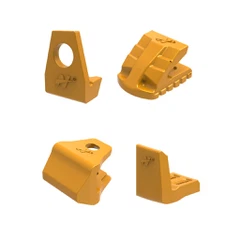
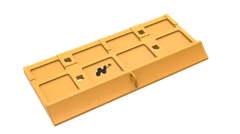



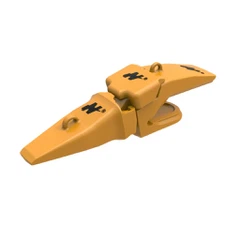


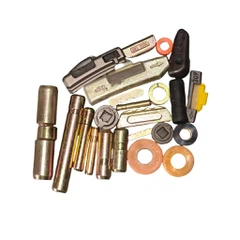

Part No.: 4T6381
Color: Cat Yellow,or as your required
Logo: "N" logo, "FHND" logo, Customized OEM logo
Unit Weight: 97.7KG
Cutting Edges and End Bits
FH-ND: Your Professional Cutting Edges and End Bits Manufacturer!
FH-ND was founded in 2005, located in Ningbo which is the famous city of export in China. After the development with a long history, we have become one of the famous manufacturers of ground engaging tools(G.E.T) in construction machinery and mining machinery areas. FH-ND is also an OEM and supplies high-quality wear parts to many famous companies in the world.
-
![4T6381 Komatsu Dozer Blade Cutting Edge]()
-
![4T6694 Cat Loader Bucket Cutting Edge Bolt On]() 4T6694 Cat Loader Bucket Cutting Edge Bolt OnPart No.: 4T6694read more
4T6694 Cat Loader Bucket Cutting Edge Bolt OnPart No.: 4T6694read more
Color: Cat Yellow,or as your required
Logo: "N" logo, "FHND" logo, Customized OEM logo
Unit Weight: 11.5KG -
![482-9234 Cat Genuine Bolt-On Center Half Arrow Cutting Edge]() 482-9234 Cat Genuine Bolt-On Center Half Arrow Cutting EdgePart No.:482-9234 Cat Genuine Bolt-On Center Half Arrow Cutting Edgeread more
482-9234 Cat Genuine Bolt-On Center Half Arrow Cutting EdgePart No.:482-9234 Cat Genuine Bolt-On Center Half Arrow Cutting Edgeread more
Color: Cat Yellow,or as your required
Logo: "N" logo, "FHND" logo, Customized OEM logo
Unit Weight: KG -
![482-0550 Bolt-on Half-Arrow CATERPILLAR 4820550]() 482-0550 Bolt-on Half-Arrow CATERPILLAR 4820550Part No.:482-0550 Bolt-on Half-Arrow CATERPILLAR 4820550read more
482-0550 Bolt-on Half-Arrow CATERPILLAR 4820550Part No.:482-0550 Bolt-on Half-Arrow CATERPILLAR 4820550read more
Color: Cat Yellow,or as your required
Logo: "N" logo, "FHND" logo, Customized OEM logo
Unit Weight: KG -
![318-7838 3187838 Cat Genuine Weld-On Half Arrow Cutting Edge]() 318-7838 3187838 Cat Genuine Weld-On Half Arrow Cutting EdgePart No.:318-7838 3187838 Cat Genuine Weld-On Half Arrow Cutting Edgeread more
318-7838 3187838 Cat Genuine Weld-On Half Arrow Cutting EdgePart No.:318-7838 3187838 Cat Genuine Weld-On Half Arrow Cutting Edgeread more
Color: Cat Yellow,or as your required
Logo: "N" logo, "FHND" logo, Customized OEM logo
Unit Weight: KG -
![318-7837 3187837 Load Haul Dump Half Arrow Segment]() 318-7837 3187837 Load Haul Dump Half Arrow SegmentPart No.:318-7837 3187837 Load Haul Dump Half Arrow segmentread more
318-7837 3187837 Load Haul Dump Half Arrow SegmentPart No.:318-7837 3187837 Load Haul Dump Half Arrow segmentread more
Color: Cat Yellow,or as your required
Logo: "N" logo, "FHND" logo, Customized OEM logo
Unit Weight: KG -
![3093519 309-3519 Caterpillar Half Arrow Edge Protection]() 3093519 309-3519 Caterpillar Half Arrow Edge ProtectionPart No.:3093519 309-3519 Caterpillar Half Arrow Edge Protectionread more
3093519 309-3519 Caterpillar Half Arrow Edge ProtectionPart No.:3093519 309-3519 Caterpillar Half Arrow Edge Protectionread more
Color: Cat Yellow,or as your required
Logo: "N" logo, "FHND" logo, Customized OEM logo
Unit Weight: KG -
![236-7034 2367034 Cat Genuine Weld-On Half Arrow Cutting Edge]() 236-7034 2367034 Cat Genuine Weld-On Half Arrow Cutting EdgePart No.:236-7034 2367034 Cat Genuine Weld-On Half Arrow Cutting Edgeread more
236-7034 2367034 Cat Genuine Weld-On Half Arrow Cutting EdgePart No.:236-7034 2367034 Cat Genuine Weld-On Half Arrow Cutting Edgeread more
Color: Cat Yellow,or as your required
Logo: "N" logo, "FHND" logo, Customized OEM logo
Unit Weight: KG -
![253-0083 2530083 Cat Genuine Bolt-On Half Arrow Cutting Edge]() 253-0083 2530083 Cat Genuine Bolt-On Half Arrow Cutting EdgePart No.:253-0083 2530083 Cat Genuine Bolt-On Half Arrow Cutting Edgeread more
253-0083 2530083 Cat Genuine Bolt-On Half Arrow Cutting EdgePart No.:253-0083 2530083 Cat Genuine Bolt-On Half Arrow Cutting Edgeread more
Color: Cat Yellow,or as your required
Logo: "N" logo, "FHND" logo, Customized OEM logo
Unit Weight: KG -
![559-1152 5591152 Cat Genuine Bucket Protective Cutting Edge]() 559-1152 5591152 Cat Genuine Bucket Protective Cutting EdgePart No.:559-1152 5591152 Cat Genuine Bucket Protective Cutting Edgeread more
559-1152 5591152 Cat Genuine Bucket Protective Cutting EdgePart No.:559-1152 5591152 Cat Genuine Bucket Protective Cutting Edgeread more
Color: Cat Yellow,or as your required
Logo: "N" logo, "FHND" logo, Customized OEM logo
Unit Weight: KG -
![523-9815 5239815 Cat Genuine Wheel Loader Standard Cutting Edge]() 523-9815 5239815 Cat Genuine Wheel Loader Standard Cuttin...Part No.:556-9102 5569102 Cat Genuine Bolt-On Half Arrow Cutting Edgeread more
523-9815 5239815 Cat Genuine Wheel Loader Standard Cuttin...Part No.:556-9102 5569102 Cat Genuine Bolt-On Half Arrow Cutting Edgeread more
Color: Cat Yellow,or as your required
Logo: "N" logo, "FHND" logo, Customized OEM logo
Unit Weight: KG -
![523-9814 5239814 Cat Genuine Wheel Loader Cutting Edge]() 523-9814 5239814 Cat Genuine Wheel Loader Cutting EdgePart No.:523-9814 5239814 Cat Genuine Wheel Loader Cutting Edgeread more
523-9814 5239814 Cat Genuine Wheel Loader Cutting EdgePart No.:523-9814 5239814 Cat Genuine Wheel Loader Cutting Edgeread more
Color: Cat Yellow,or as your required
Logo: "N" logo, "FHND" logo, Customized OEM logo
Unit Weight: KG


Why Choose Us
Rich Experience
Ningbo Fenghua ND Machinery Co., Ltd. was established in 2005 and has more than 10 years of experience in the research and development of wear-resistant castings, including bucket teeth, tooth seat edge plates, and other products for construction machinery.
Broad Market
Our parts are already exported to more than 50 countries in the world, mainly to Canada, the USA, Australia, Spain, Sweden, UK, Poland, Italy, Russia, Ukraine, Saudi Arabia, Kuwait, U.A.E., Peru, Chile, Brazil, Argentina, Egypt, Sudan, Algeria, South Africa, India, Myanmar, Korea, Singapore, etc.
Wide Product Range
The company offers a comprehensive range of products, covering most of the world's excavators, bulldozers, loaders, graders, and other wear-resistant accessories.
Quality Assurance
Using self-developed high-strength, high-quality wear-resistant steel, coupled with scientific and efficient production processes and strict quality management procedures, the company ensures that its products provide customers with high quality and cost-effective solutions.
Brief Introduction to Cutting Edges and End Bits
Cutting edges and end bits are essential components of heavy equipment such as bulldozers, loaders, and excavators. They are designed to withstand the wear and tear of demanding construction and mining applications. Cutting edges are typically made of high-strength steel and are attached to the bucket or blade of the equipment. They are used to cut through tough materials such as rock, gravel, and soil. End bits, on the other hand, are located at the ends of the cutting edges and help to protect the blade from damage.
Common Types of Cutting Edges and End Bits
Grader Blades
Grader Blades are essential tools used in the construction and maintenance of roads, driveways, and other surfaces. These heavy-duty blades are designed to attach to graders, which are large machines used for leveling and smoothing surfaces. These blades feature a curved shape with a sharp cutting edge, allowing them to efficiently cut through soil, gravel, and other materials. They are adjustable, allowing operators to control the depth and angle of the cut, ensuring precise and accurate grading. Grader Blades are commonly used for tasks such as leveling uneven surfaces, removing debris, and creating slopes or ditches.
Benefits of Grader Blades
These are some of the benefits grader blades offer to farmers:
Easily Level Terrain: One of the primary functions of a grader blade is to level uneven surfaces, providing a smoother and more even terrain. This is particularly valuable in agriculture, where a level field enhances irrigation, planting and harvesting processes.
Grade Surfaces with Ease: Whether you're preparing a driveway or cultivating a new field, the grader blade excels in grading surfaces. This ensures optimal water drainage and prevents waterlogging, fostering healthier crop growth.
Contour with Precision: The adjustable blade angle empowers farmers to contour surfaces precisely. This flexibility allows for tailored land shaping and caters to the unique needs of each farming operation.
Dozer Cutting Edges
Dozers are powerful machines used for pushing and moving large quantities of soil, rocks, and other materials. Dozer cutting edges are essential attachments that are mounted on the front of the dozer blade. They are typically made of high-quality steel and come in various shapes and sizes to suit different applications. The primary function of dozer cutting edges is to penetrate the ground and cut through materials effectively. They help in leveling and grading the terrain, creating a smooth and even surface. Dozer cutting edges are also used for pushing and piling materials, clearing debris, and performing other tasks that require cutting and scraping capabilities.
Benefits of Dozer Cutting Edges:
Enhanced Cutting Performance: Dozer cutting edges are designed to provide superior cutting performance. They have sharp edges that can easily penetrate the ground and cut through various materials, including soil, gravel, and rocks. This allows operators to work efficiently and complete tasks quickly.
Increased Productivity: By using dozer cutting edges, operators can accomplish more work in less time. The efficient cutting and scraping capabilities of these edges enable faster material removal and leveling. This results in increased productivity and reduced project timelines.
Improved Versatility: Dozer cutting edges come in different configurations, such as straight edges, serrated edges, and bolt-on edges. This versatility allows operators to adapt to different working conditions and materials. They can easily switch between cutting edges depending on the task at hand, maximizing their versatility and efficiency.
Extended Service Life: High-quality dozer cutting edges are built to withstand heavy-duty applications and harsh environments. They are made from wear-resistant materials that can endure abrasion, impact, and extreme temperatures. This durability ensures a long service life, reducing the need for frequent replacements and minimizing downtime.
Loader Cutting Edges
Loaders are versatile machines used for loading, transporting, and unloading various materials, such as gravel, sand, and construction debris. Loader cutting edges are crucial attachments that are installed on the cutting edge of the loader bucket. They are designed to improve the machine's digging, scraping, and leveling capabilities.
Benefits of Loader Cutting Edges:
Efficient Material Handling: Loader cutting edges enable efficient material handling by improving the machine's digging and scraping performance. They allow loaders to penetrate the ground easily, scoop up materials, and transport them to desired locations. This efficiency saves time and increases productivity on job sites.
Precise Leveling and Grading: Loader cutting edges play a vital role in leveling and grading tasks. They create a smooth and even surface by scraping off excess materials and filling low spots. This precision in leveling helps in achieving accurate grades and slopes, especially in landscaping and road construction projects.
Reduced Fuel Consumption: Loader cutting edges can help reduce fuel consumption by optimizing the machine's performance. With improved cutting and scraping capabilities, loaders can complete tasks more efficiently, requiring fewer passes and less fuel. This fuel efficiency translates into cost savings and environmental benefits.
Versatile Attachment Options: Loader cutting edges come in various configurations, including straight edges, bolt-on edges, and reversible edges. This versatility allows operators to adapt to different materials and working conditions. They can easily change the cutting edge attachment to suit the task at hand, enhancing the loader's versatility and productivity.
Excavator Cutting Edges
Excavators are powerful machines used for digging, trenching, and earthmoving operations. Excavator cutting edges are essential components that are installed on the bucket or dipper arm of the excavator. They are designed to withstand heavy loads and provide efficient cutting and scraping capabilities.
Benefits of Excavator Cutting Edges
Enhanced Digging Performance: Excavator cutting edges improve the machine's digging performance by providing efficient cutting capabilities. They allow the excavator bucket to penetrate the ground easily and scoop up materials effectively. This enhanced digging performance enables faster excavation and material handling.
Efficient Material Scraping: Excavator cutting edges help in scraping off excess materials from surfaces. This is especially useful in applications like land clearing, where the excavator needs to remove vegetation, rocks, and debris. The cutting edges allow the excavator to scrape the surface efficiently, preparing it for further construction or landscaping activities.
Reduced Bucket Wear: Excavator cutting edges play a crucial role in protecting the bucket from excessive wear and tear. They act as sacrificial wear parts, absorbing the impact and abrasion caused by digging and scraping. By reducing direct contact between the bucket and the ground, cutting edges help prolong the bucket's service life and minimize maintenance costs.
Improved Efficiency and Productivity: With efficient cutting and scraping capabilities, excavator cutting edges contribute to improved efficiency and productivity. They enable operators to complete excavation tasks quickly and accurately, reducing project timelines and increasing overall productivity. This efficiency translates into cost savings and higher profitability.
Applications of Cutting Edges and End Bits
Cutting edges and end bits are crucial components in heavy equipment, playing a pivotal role in various applications across construction, mining, and earthmoving operations.
Dozer Applications
a. Land Clearing: Dozer cutting edges are essential for efficiently clearing large areas of land by cutting through vegetation, rocks, and debris. This application is particularly vital in preparing sites for construction projects.
b. Grading and Leveling: Dozers equipped with cutting edges are used for precise grading and leveling tasks. The sharp edges enable operators to achieve smooth and even surfaces, crucial for creating foundations, roads, and other infrastructure.
c. Material Pushing and Piling: The robust design of dozer cutting edges makes them ideal for pushing and piling materials, such as soil and gravel. This capability is valuable in creating embankments, forming trenches, and shaping landscapes.
d. Trenching: Dozers with cutting edges find application in trenching operations, where they cut through soil to create trenches for utilities, pipelines, or other underground installations.
Loader Applications
a. Material Loading and Transport: Loader cutting edges are essential for efficiently loading various materials into the bucket. They enable the loader to penetrate the ground easily, scoop up materials, and transport them to desired locations, enhancing efficiency in material handling.
b. Site Cleanup: Loaders equipped with cutting edges are used for clearing construction sites by scraping off excess materials and debris. This application contributes to maintaining a clean and organized work environment.
c. Road Maintenance: Loader cutting edges play a crucial role in road maintenance by leveling surfaces, filling low spots, and clearing debris. This application is vital for ensuring safe and smooth transportation routes.
d. Snow Removal: In regions experiencing winter weather, loaders with cutting edges are utilized for efficient snow removal from roads, parking lots, and other areas.
Excavator Applications
a. Digging and Excavation: Excavator cutting edges enhance digging performance, allowing the machine to efficiently excavate soil, rocks, and other materials. This application is fundamental in various construction and mining projects.
b. Trenching and Pipeline Installation: Excavators with cutting edges are employed in trenching operations for laying pipelines, cables, or other underground utilities. The sharp edges facilitate precise digging and material removal.
c. Site Preparation: Excavator cutting edges contribute to site preparation by scraping off vegetation, rocks, and debris. This application is crucial before commencing construction or landscaping activities.
d. Bulk Material Handling: Excavators equipped with cutting edges are utilized for handling bulk materials, such as aggregates and ore. The efficient cutting capabilities improve the overall productivity of material handling operations.
Comparison of Cutting Edges & Base Edges & End Bits
Cutting Edges
In order to create a balance between your machines & work conditions, cutting edges are designed. They can make sure your machines move more material longer with less downtime for a lower cost per hour. Cutting edges matched to your equipment will result in a higher performance & abrasion resistance in any application.
Base Edges
As parts suffer wear & flexing, it is vital to choose the right alloy. Without base edges, the end of the bucket can wear quickly, causing damage & washing away adapter welds. This will bring about wearines issues with corner adapter reliability and replacement.
End Bits
End bits are designed to offer good corner protection at the end of the moldboard & working edges from wear and damage, resulting in less maintenance. End Bits add strength & limit corner wear, which extends cutting-edge life when an edge would otherwise be abandoned due to excessive wear at the corners. They provide a maximum depth of cut relative to the cutting edge.
Our Factory
The company currently employs approximately 350 skilled professionals, boasting an annual output exceeding 20,000 tons.

Ultimate FAQ Guide to Cutting Edges and End Bits
We're professional cutting edges and end bits manufacturers and suppliers in China, specialized in providing high quality customized service. We warmly welcome you to buy cutting edges and end bits at competitive price from our factory.