



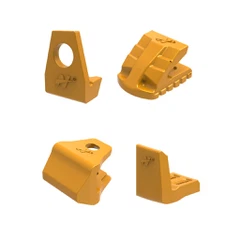
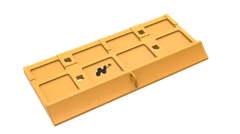

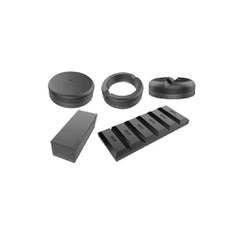


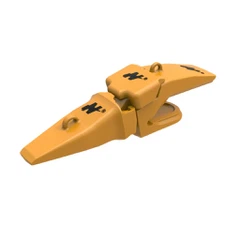


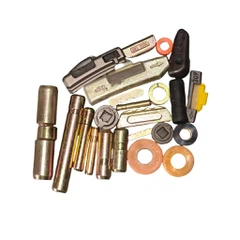

Part No.:53103208 HDICB 2CX3X Bucket Corner Teeth
Color: Black; custom color available per your request
Unit Weight:4.5 KG
Brand:JCB
Fasteners
FH-ND: Your Professional Fasteners Manufacturer!
FH-ND was founded in 2005, located in Ningbo which is the famous city of export in China. After the development with a long history, we have become one of the famous manufacturers of ground engaging tools(G.E.T) in construction machinery and mining machinery areas. FH-ND is also an OEM and supplies high-quality wear parts to many famous companies in the world.
-
![531/03208 HDICB 2CX/3X Bucket Corner Teeth]()
-
![JCB BACKHOE PIVOT PIN 811/50369 811-50369]() JCB BACKHOE PIVOT PIN 811/50369 811-50369Part No.:JCB BACKHOE PIVOT PIN 811/50369 811-50369read more
JCB BACKHOE PIVOT PIN 811/50369 811-50369Part No.:JCB BACKHOE PIVOT PIN 811/50369 811-50369read more
Color: Black; custom color available per your request
Unit Weight:5KG -
![811/70080 JCB Fastening Rod Pin]() 811/70080 JCB Fastening Rod PinPart No.:811/70080 JCB Fastening Rod Pinread more
811/70080 JCB Fastening Rod PinPart No.:811/70080 JCB Fastening Rod Pinread more
Color: Black; custom color available per your request
Unit Weight:2.80 KG -
![911/23900 Pin Pivot Rear Bucket For JCB MINI 801, 802]() 911/23900 Pin Pivot Rear Bucket For JCB MINI 801, 802Part No.:911/23900 Pin Pivot Rear Bucket for JCB MINI 801, 802read more
911/23900 Pin Pivot Rear Bucket For JCB MINI 801, 802Part No.:911/23900 Pin Pivot Rear Bucket for JCB MINI 801, 802read more
Color: Black; custom color available per your request
Unit Weight:0.86 KG -
![332/G6451 332G6451JCB 3CX 4CX Pin Kingpost Top]() 332/G6451 332G6451JCB 3CX 4CX Pin Kingpost TopPart No.:Hensley Mining Xs Tooth Pin XS250PX XS250Pread more
332/G6451 332G6451JCB 3CX 4CX Pin Kingpost TopPart No.:Hensley Mining Xs Tooth Pin XS250PX XS250Pread more
Color: Black; custom color available per your request
Unit Weight: 5.69KG -
![JCB 3CX P21 FRONT LOADER SHOVEL LINKAGE PIN 811/90483]() JCB 3CX P21 FRONT LOADER SHOVEL LINKAGE PIN 811/90483Part No.:Hensley Mining Xs Tooth Pin XS250PX XS250Pread more
JCB 3CX P21 FRONT LOADER SHOVEL LINKAGE PIN 811/90483Part No.:Hensley Mining Xs Tooth Pin XS250PX XS250Pread more
Color: Black; custom color available per your request
Unit Weight:2.4KG -
![3K8510 3K-8510 63.5mm Linkage Pin For Worl Tool Implements]() 3K8510 3K-8510 63.5mm Linkage Pin For Worl Tool ImplementsPart No.:3K8510 3K-8510 63.5mm Linkage Pin for Worl Tool Implementsread more
3K8510 3K-8510 63.5mm Linkage Pin For Worl Tool ImplementsPart No.:3K8510 3K-8510 63.5mm Linkage Pin for Worl Tool Implementsread more
Color: Black; custom color available per your request
Unit Weight: LBS -
![P1236125 T-68 New Holland Case Poclain Style Pin]() P1236125 T-68 New Holland Case Poclain Style PinPart No.:Hensley Mining Xs Tooth Pin XS250PX XS250Pread more
P1236125 T-68 New Holland Case Poclain Style PinPart No.:Hensley Mining Xs Tooth Pin XS250PX XS250Pread more
Color: Black; custom color available per your request
Unit Weight:0.45 KG -
![T1236129 T-60 New Holland Case Poclain Pins]() T1236129 T-60 New Holland Case Poclain PinsPart No.:T1236129 T-60 New Holland Case Poclain Pinsread more
T1236129 T-60 New Holland Case Poclain PinsPart No.:T1236129 T-60 New Holland Case Poclain Pinsread more
Color: Black; custom color available per your request
Unit Weight: 0.35KG -
![Hensley Mining Xs Tooth Pin XS250PX XS250P]() Hensley Mining Xs Tooth Pin XS250PX XS250PPart No.:Hensley Mining Xs Tooth Pin XS250PX XS250Pread more
Hensley Mining Xs Tooth Pin XS250PX XS250PPart No.:Hensley Mining Xs Tooth Pin XS250PX XS250Pread more
Color: Black; custom color available per your request
Unit Weight: KG -
![55P/65P/80P/125P Volvo Bucket Tooth Pin]() 55P/65P/80P/125P Volvo Bucket Tooth PinPart No.:55P/65P/80P/125P Volvo bucket tooth pinread more
55P/65P/80P/125P Volvo Bucket Tooth PinPart No.:55P/65P/80P/125P Volvo bucket tooth pinread more
Color: Standard Cat Yellow; custom color available per your request
Logo: Optional "N" mark, "FHND" mark or customized OEM logo... -
![60A0926/34C0190/34C0618 Liugong Bucket Tooth Pin]() 60A0926/34C0190/34C0618 Liugong Bucket Tooth PinPart No.:60A0926/34C0190/34C0618 Liugong bucket tooth pinread more
60A0926/34C0190/34C0618 Liugong Bucket Tooth PinPart No.:60A0926/34C0190/34C0618 Liugong bucket tooth pinread more
Color: Black; custom color available per your request
Logo: Optional "N" mark, "FHND" mark or customized OEM logo...


Why Choose Us
Rich Experience
Ningbo Fenghua ND Machinery Co., Ltd. was established in 2005 and has more than 10 years of experience in the research and development of wear-resistant castings, including bucket teeth, tooth seat edge plates, and other products for construction machinery.
Broad Market
Our parts are already exported to more than 50 countries in the world, mainly to Canada, the USA, Australia, Spain, Sweden, UK, Poland, Italy, Russia, Ukraine, Saudi Arabia, Kuwait, U.A.E., Peru, Chile, Brazil, Argentina, Egypt, Sudan, Algeria, South Africa, India, Myanmar, Korea, Singapore, etc.
Wide Product Range
The company offers a comprehensive range of products, covering most of the world's excavators, bulldozers, loaders, graders, and other wear-resistant accessories.
Quality Assurance
Using self-developed high-strength, high-quality wear-resistant steel, coupled with scientific and efficient production processes and strict quality management procedures, the company ensures that its products provide customers with high quality and cost-effective solutions.
Brief Introduction to Fasteners
A fastener is a non-permanent or permanent mechanical tool that rigidly connects or affixes two surfaces or objects together. Non-permanent fasteners can easily be removed without damaging the joined materials. The removal of permanent fasteners might require substantial force and might damage the connected surfaces. Permanent fasteners are designed to be a long lasting form of secure connection. The wide range of fasteners includes bucket teeth pins, bolts and nuts.
Advantages of Fasteners
Durability
One of the biggest advantages of using fasteners is their strength and durability. Fasteners are designed to securely hold two or more pieces of material together in order to form a strong bond between them. This makes them ideal for applications where strength is important, such as constructing furniture or building structures like bridges. Additionally, depending on the type of fastener you choose, they can be adjusted and tightened if necessary without needing to be removed completely.
Increased Efficiency
One of the primary advantages of fasteners is that they can help to increase efficiency in a variety of applications. Fasteners can be used to quickly and easily connect two or more components, which can save a significant amount of time and effort when compared to traditional methods such as welding or bolting.
Enhanced Safety
Another advantage of fasteners is that they can enhance safety in a variety of applications. For example, fasteners can be used to secure components in place so that they are less likely to become loose or detached, which could potentially lead to accidents.
Greater Strength and Durability
Fasteners are also typically stronger and more durable than traditional methods of joining two or more components. This is due to the fact that fasteners are designed to create a tight connection that is resistant to vibration and other forces that could potentially cause traditional methods, such as welding or bolting, to fail.
Reduced Cost
Finally, fasteners can also help to reduce costs in a variety of applications. This is because fasteners are typically much less expensive than traditional methods such as welding or bolting. Additionally, fasteners often require less labor to install, which can further reduce costs.

Types of Fasteners
Bucket Teeth Pins
Bucket teeth pins are essential components used in heavy machinery, specifically in excavators, loaders, and other construction equipment. These pins are designed to secure bucket teeth onto the bucket, ensuring a strong and durable connection that can withstand the rigors of heavy-duty work environments. Bucket teeth pins come in various sizes and configurations to fit different types of bucket teeth and buckets, allowing for easy customization and compatibility with a wide range of equipment.
Bolts and Nuts
Bolts and nuts are used to permanently or semi-permanently fasten materials, usually metal. A nut is an attachment that fits the end of a bolt and strengthens its holding power. The bolt, which is non-tapered, then holds the part fastened with the nut. Both are usually used when both sides of the fastened part need to be accessible. If the parts are subject to vibration, an additional component like a spring washer or a lock nut will be necessary to prevent the nut from coming loose.
Features of Fasteners
Features of Bucket Teeth Pins
Material: Bucket teeth pins are typically made from high-quality alloy steel or carbon steel, which offers excellent strength, toughness, and resistance to wear and tear. The choice of material depends on the specific application and the desired level of durability.
Shape and Design: Bucket teeth pins come in various shapes and designs to accommodate different bucket types and sizes. The most common shapes include straight pins, tapered pins, and lock pins. The design of the pin ensures a secure fit between the tooth and the adapter, minimizing the risk of detachment during operation.
Hardness: Bucket teeth pins undergo heat treatment processes to enhance their hardness and wear resistance. This allows them to withstand the high impact and abrasive forces encountered in heavy-duty applications. The hardness of the pin is carefully balanced to prevent brittleness, ensuring optimal performance and longevity.
Compatibility: Bucket teeth pins are designed to be compatible with specific bucket teeth and adapters. They are available in various sizes and configurations to fit different equipment models and manufacturers. It is crucial to select the right pin that matches the tooth and adapter to ensure a proper fit and reliable performance.
Ease of Installation: Bucket teeth pins are designed for easy installation and removal. They often feature a simple locking mechanism, such as a retainer or a lock pin, which allows for quick and hassle-free replacement when necessary. This reduces downtime and improves operational efficiency.
Corrosion Resistance: Bucket teeth pins are exposed to harsh working environments, including moisture, dirt, and chemicals. To ensure long-term durability, many pins undergo surface treatments, such as galvanization or coating, to provide corrosion resistance. This protects the pin from rust and corrosion, extending its service life.
Features of Bolts and Nuts
Strength and Durability: Bolts and nuts used in heavy machinery are typically made from high-strength alloy steel or carbon steel. These materials offer exceptional tensile strength and resistance to fatigue, ensuring that the bolts and nuts can withstand the heavy loads and vibrations experienced in construction and mining operations.
Thread Design: Bolts and nuts come in various thread designs, such as coarse thread and fine thread. The choice of thread design depends on the specific application and the desired level of clamping force. Coarse threads are generally used for heavy-duty applications, while fine threads are suitable for situations that require precise adjustments.
Coatings and Platings: Bolts and nuts often undergo surface treatments, such as galvanization, zinc plating, or coating with anti-corrosion materials. These treatments provide protection against rust and corrosion, extending the lifespan of the bolts and nuts and ensuring their reliable performance in challenging environments.
Head Types: Bolts can have different head types, including hexagonal heads, square heads, and socket heads. Each head type offers unique advantages in terms of ease of use, torque transfer, and accessibility. Similarly, nuts can have different shapes, such as hexagonal nuts or lock nuts, which provide secure fastening and prevent loosening.
Size and Length: Bolts and nuts are available in a wide range of sizes and lengths to accommodate different equipment configurations and assembly requirements. It is crucial to select the correct size and length to ensure a proper fit and optimal performance. Over-tightening or under-tightening bolts and nuts can lead to equipment damage or failure.
Thread Locking: In applications where vibrations or dynamic loads are present, it is common to use thread-locking compounds or devices to prevent the bolts and nuts from loosening over time. These thread-locking solutions provide additional security and help maintain the integrity of the fastened joints.
How Fasteners are Made
There is more than one process used to produce nuts, bolts, clips, screws, and all other fastener types. The three methods that are used the most are machining, cold forging, and hot forging (These are commonly used methods for forming and producing metal parts). The choice of which method to use to produce a fastener depends on the type, metal, and quantity with some methods producing greater quantities than others. Metal type plays a major role in the forming method since some metals are more pliable and have greater elasticity.
Machining
The machining process is a method for deforming metals to create parts and components. By cutting, drilling, turning, milling, and grinding a piece of metal, it can be deformed and shaped to fit a desired pattern or form. Unlike molding and casting, machining is a process that works the metal at room temperature or slightly above. Though the metal may heat up due to friction, heat is not a part of the process. Machining begins with a round or hexagonal piece of metal. During the machining process, the metal piece, the workpiece, is threaded and shanked to meet the required geometry of the final part. Machining can involve several processes at once, which are performed on a computer numerical control (CNC) machine; this helps in speeding up the process.
The benefits of machining include precision, exceptional tolerances, and the ability to produce complex geometries. It is a time consuming process that is ideal for short runs of minimal quantities.
Cold Forming
Of the various methods for creating fasteners, cold forming, or cold roll forming, is the most common due to its speed and reduction of waste. Like machining, it is performed at or near room temperature to produce large quantities of fasteners in a fast, efficient, consistent, and cost effective way. Cold forming begins with a coil of wire that is processed, straightened, and sheared to the length required by the final part. The prepared pieces are fed into a rolling machine to complete the forming process and add intricate and precise details. The pressure applied to the workpiece maintains the original grain structure of the metal, which improves the tensile strength of the fastener.
The types of cold forming are upsetting or heading, extrusion, and rolling. In the upsetting process, the workpiece is upset at one end to increase the area's cross section. With cold forming extrusion, compressive force is applied that causes the metal to produce deformation heat; this force can be applied at various angles to the workpiece. Cold roll forming also applies pressure to the workpiece to achieve the desired shape.
Hot Forging
Hot forging is used when fasteners cannot be produced using machining or cold forming. A key part of hot forging is the heating of the workpiece. In the heating process, the workpiece is heated to its recrystallization temperature, which can be as high as 1200° C or 2192° F. The temperature at which the metal is heated allows it to maintain its deformed shape as it cools. During the forming and shaping process, the grain structure of the metal is broken down and homogenized into a finer grain, a process that enhances its strength, ductility, and toughness. Since hot forging produces very little scrap and waste, it is one of the most efficient metal forming methods.
Stamping
Stamping is a cold forming process that deforms a sheet of metal using a stamping press and is similar to blanking and piercing. Stamping can be a single one step process or have multiple steps or stages depending on the complexing of the part being produced. One of the most common types of fastener tools produced by stamping are washers of all types and configurations.
Metals Used to Make Fasteners
When choosing the type of metal or fastener for an application, there are certain factors that have to be considered; these include the location in which it will be used, the environmental conditions, and the amount of moisture and heat. Though heavier metals may seem appropriate, they can fail if placed in the wrong conditions.
Steel
Of the various metals used to produce fasteners, steel is the most common. It can be plain or have surface treatments such as galvanization. Steel fasteners are made of steel grades 2, 5, 8, and alloyed steel.
- Grade 2: Most common and least expensive
- Grade 5: Hardened to increase strength and used in automotive applications
- Grade 8: Hardest of the three and used in demanding and stressful applications
Alloyed Steel
Alloyed steel fasteners are exceptionally strong and have been heat treated. They are normally coated with a dull black finish.
Stainless Steel
Stainless steel is ideal for fasteners because of its corrosion and rust resistance, and it maintains these characteristics if scratched during installation. There are several grades of stainless steel with each grade having different properties.
- 18-8 Stainless Steel: The most common stainless steel.
- 316 Stainless Steel: Exceptionally resistant to corrosion and ideal for salt water and chlorine environments.
- 410 Stainless Steel: Harder than 18-8 but less resistant to corrosion.
Aluminum
Aluminum is normally alloyed with another metal when used for producing fasteners. Rivets are commonly made from 5000 series aluminum. The added alloys increase aluminum's strength and raise its melting point.
Brass
Brass is an alloy of zinc and copper. It is a soft metal with corrosion resistance and electrical conductivity. Brass is mainly used for its appearance.
Bronze
Bronze is an alloy of copper, tin, and a small amount of silicon. It has superior corrosion resistance and strength. Bronze can be used as a non-permanent fastener because of its re-fastening capabilities.
How to Choose the Right Fastener for Your Needs
When you're selecting fasteners for your industrial applications, consider these seven questions before you make your choice.
1. How is the Fastener Being Used?
The first thing to consider is how the fastener and the product itself will be used. For example, if the fastener is regularly opened and closed, a durable solid metal fastener makes sense. If a fastener is seldom if ever opened, a lower-priced alternative, such as plastic, might be acceptable.
2. Where is the Fastener Being Used?
Environmental factors affect what type of fastener your product might need. Fasteners used indoors in undemanding conditions can be less robust than those used outdoors or in a more extreme environment. Consider also specific environmental demands. For example, exposure to saltwater can cause 18-8 grade (18% chromium, 8% nickel) stainless steel fasteners to corrode and lose integrity. If saltwater is a key environmental factor, fasteners made from 316 grade stainless steel will be less susceptible to rusting.
3. What's the Right Type of Fastener?
As you're aware, there are many types of fasteners available. For example, you can choose from several different types of screw heads, including flat, oval, round, pan, hex, hex washer, truss, button, and socket cap. There are an equally diverse number of nut types, including hex, cap, acorn, jam, flange, square, tee, torque lock, K-lock, slotted, coupling, and castle.
Each type of fastener has its own inherent strengths, weaknesses and applications, making certain types of fasteners better choices in specific situations. You need to choose the right type of fastener for your specific product needs – how the fastener is being used, what materials it will be fastening, how the fastener fits within the overall product design, and more. You can choose from off-the-shelf fasteners or design your own custom fastener for a specific product need. (Off-the-shelf fasteners are less expensive and more readily available, of course, while custom fasteners may be the only way to meet unique product specifications.)
4. What's the Right Material?
Knowing how and where the fastener will be used should also help you determine the right material for your fasteners. The material you choose affects not just cost, but also the strength and corrosion resistance of the fastener. Note that there are different grades within each material type. Choose the grade most suited for your usage and environment needs.
5. What's the Right Coating?
Coatings are often added to fasteners to increase corrosion resistance. In some cases, though, coatings are purely decorative.
The most common fastener coatings include:
Zinc plating provides good corrosion resistance, although it can rust if the coating is damaged or exposed to water or extreme humidity
Galvanizing coats the fastener with a thicker layer of zinc for even better corrosion resistance, although the thicker coating can compromise fastener compatibility
Chrome plating also improves corrosion resistance and adds visual appeal to the fastener
More chemically sophisticated coatings may also be available for specific applications, including:
Fluoropolymer resin coatings for lubrication and corrosion resistance,
Molybdenum Disulfide (MoS2) coatings for friction protection with high pressure loads.
Epoxy coatings for impact and abrasion resistance.
Phenolic coatings for high temperature environments.
6. What's the Right Size?
How and where the fastener is used also factors into the fastener size. Heavier-duty applications may require larger fasteners, while tighter designs may dictate smaller ones. Most fastener types come in a variety of industry standard sizes. For example, metric bolts are sized from M5 to M30, with hole sizes from 5.5mm to 32mm.
Our Factory
The company currently employs approximately 350 skilled professionals, boasting an annual output exceeding 20,000 tons.

Ultimate FAQ Guide to Fastener
We're professional fasteners manufacturers and suppliers in China, specialized in providing high quality customized service. We warmly welcome you to buy fasteners at competitive price from our factory.