



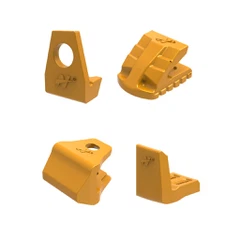
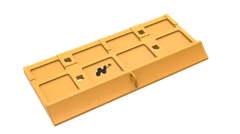



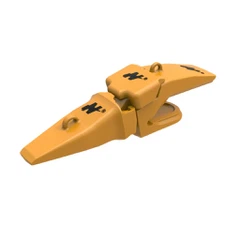


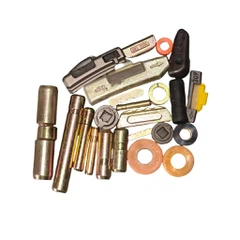

Part No.:195-78-14350
Color: Yellow, or as required
Logo: "N" logo, "FHND" logo, Customized OEM logo
Unit Weight: Welcome to inquire
Ripper Teeth and Shanks
FH-ND: Your Professional Ripper Teeth and Shanks Manufacturer!
FH-ND was founded in 2005, located in Ningbo which is the famous city of export in China. After the development with a long history, we have become one of the famous manufacturers of ground engaging tools(G.E.T) in construction machinery and mining machinery areas. FH-ND is also an OEM and supplies high-quality wear parts to many famous companies in the world.
-
![Komatsu Bulldozer Ripper Adapter Nose D355 195-78-14350]()
-
![Esco 35-RN 35 Series Ripper Nose Adaptor]() Esco 35-RN 35 Series Ripper Nose AdaptorPart No.:35-RNread more
Esco 35-RN 35 Series Ripper Nose AdaptorPart No.:35-RNread more
Color: Yellow, or as required
Logo: "N" logo, "FHND" logo, Customized OEM logo
Unit Weight: Welcome to inquire -
![D8 D9 Cat Style ADAPTER-SHANK 8E8418]() D8 D9 Cat Style ADAPTER-SHANK 8E8418Part No.:8E8418read more
D8 D9 Cat Style ADAPTER-SHANK 8E8418Part No.:8E8418read more
Color: Yellow, or as required
Logo: "N" logo, "FHND" logo, Customized OEM logo
Unit Weight: Welcome to inquire -
![104-9279, 1049279 CAT Ripper Adapter]() 104-9279, 1049279 CAT Ripper AdapterPart No.:104-9279, 1049279read more
104-9279, 1049279 CAT Ripper AdapterPart No.:104-9279, 1049279read more
Color: Yellow, or as required
Logo: "N" logo, "FHND" logo, Customized OEM logo
Unit Weight: Welcome to inquire -
![103-8115 TRACK TRACTOR RIPPER ADAPTER]() 103-8115 TRACK TRACTOR RIPPER ADAPTERPart No.:103-8115read more
103-8115 TRACK TRACTOR RIPPER ADAPTERPart No.:103-8115read more
Color: Yellow, or as required
Logo: "N" logo, "FHND" logo, Customized OEM logo
Unit Weight: Welcome to inquire -
![24Y-89-50000-2 Shantui SD32 Ripper Shank Adaptor]() 24Y-89-50000-2 Shantui SD32 Ripper Shank AdaptorPart No.:24Y-89-50000-2read more
24Y-89-50000-2 Shantui SD32 Ripper Shank AdaptorPart No.:24Y-89-50000-2read more
Color: Yellow, or as required
Logo: "N" logo, "FHND" logo, Customized OEM logo
Unit Weight: Welcome to inquire -
![24Y-89-30000-2 Shantui SD32 Ripper Shank Adapter]() 24Y-89-30000-2 Shantui SD32 Ripper Shank AdapterPart No.:24Y-89-30000-2read more
24Y-89-30000-2 Shantui SD32 Ripper Shank AdapterPart No.:24Y-89-30000-2read more
Color: Yellow, or as required
Logo: "N" logo, "FHND" logo, Customized OEM logo
Unit Weight: Welcome to inquire -
![9W9695 ADAPTER RIPPER Caterpillar (CAT)]() 9W9695 ADAPTER RIPPER Caterpillar (CAT)Part No.:9W9695read more
9W9695 ADAPTER RIPPER Caterpillar (CAT)Part No.:9W9695read more
Color: Yellow, or as required
Logo: "N" logo, "FHND" logo, Customized OEM logo
Unit Weight: Welcome to inquire -
![7J-1791, 7J1791 D8 Ripper Adapter]() 7J-1791, 7J1791 D8 Ripper AdapterPart No.:7J-1791, 7J1791read more
7J-1791, 7J1791 D8 Ripper AdapterPart No.:7J-1791, 7J1791read more
Color: Yellow, or as required
Logo: "N" logo, "FHND" logo, Customized OEM logo
Unit Weight: Welcome to inquire -
![6Y-9473, 6Y9473 RIPPER SHANK ADAPTOR]() 6Y-9473, 6Y9473 RIPPER SHANK ADAPTORPart No.:6Y-9473, 6Y9473read more
6Y-9473, 6Y9473 RIPPER SHANK ADAPTORPart No.:6Y-9473, 6Y9473read more
Color: Yellow, or as required
Logo: "N" logo, "FHND" logo, Customized OEM logo
Unit Weight: Welcome to inquire -
![4T8315 Caterpillar Ripper Shank Noses & Bucket Tooth Adapter]() 4T8315 Caterpillar Ripper Shank Noses & Bucket Tooth AdapterPart No.:4T8315read more
4T8315 Caterpillar Ripper Shank Noses & Bucket Tooth AdapterPart No.:4T8315read more
Color: Yellow, or as required
Logo: "N" logo, "FHND" logo, Customized OEM logo
Unit Weight: Welcome to inquire -
![1U3630 CAT Ripper Shank Adaptor]() 1U3630 CAT Ripper Shank AdaptorPart No.:1U3630,1U-3630read more
1U3630 CAT Ripper Shank AdaptorPart No.:1U3630,1U-3630read more
Color: Yellow, or as required
Logo: "N" logo, "FHND" logo, Customized OEM logo
Unit Weight: Welcome to inquire


Why Choose Us
Rich Experience
Ningbo Fenghua ND Machinery Co., Ltd. was established in 2005 and has more than 10 years of experience in the research and development of wear-resistant castings, including bucket teeth, tooth seat edge plates, and other products for construction machinery.
Broad Market
Our parts are already exported to more than 50 countries in the world, mainly to Canada, the USA, Australia, Spain, Sweden, UK, Poland, Italy, Russia, Ukraine, Saudi Arabia, Kuwait, U.A.E., Peru, Chile, Brazil, Argentina, Egypt, Sudan, Algeria, South Africa, India, Myanmar, Korea, Singapore, etc.
Wide Product Range
The company offers a comprehensive range of products, covering most of the world's excavators, bulldozers, loaders, graders, and other wear-resistant accessories.
Quality Assurance
Using self-developed high-strength, high-quality wear-resistant steel, coupled with scientific and efficient production processes and strict quality management procedures, the company ensures that its products provide customers with high quality and cost-effective solutions.
Brief Introduction to Ripper Teeth and Shanks
Ripper teeth shanks are an essential component on the back of any bulldozer. The ripper teeth shank is a long, hook-resembling tool that rips into the ground. The ripper teeth shank is ideal for breaking up hard, compacted soil. It has become a popular alternative to drilling or clearing surface materials. Ripper teeth shanks are a great ground engagement tool. At its most basic, the ripper shank is a long claw-like instrument that attaches to a bulldozer or the bucket of an excavator (or any other machine attachments). The equipment operator can then use the ripper shank to penetrate the ground. Ripper shanks are typically around 18 inches long and curved. They dig through the soil to break up tough spots that would usually need heavier equipment.
Common Types of Ripper Teeth and Shanks
Rippers are commonly used at the rear of the bulldozer to break up the ground and allow it to be moved more easily by other machinery, or to loosen the ground to encourage agriculture to grow. If you are digging into hard ground that is likely to damage your excavator or bucket, ripping and breaking up the ground prior to digging will greatly reduce the load and forces on that machine, and increase productivity. However, ensuring you have the right ripping setup, components and parts profiles for your digging conditions is essential to leverage the productivity benefits this process offers.
1.Single-Shank Ripper vs Multi-Shank Ripper
Ripper shanks are mounted to the dozer's ripper frame and are adjustable to suit the depth of ripping required. Rippers can come as single-shank rippers (also known as giant rippers), or as multi-shank rippers in groups of two or more.
Single shank rippers are used primarily for deep ripping, or heavy ripping when the digging conditions are tougher and require greater breakout forces. This is because using a single shank will concentrate the machine's maximum ripping force into a single focal point, delivering maximum penetration.
Multi-shank rippers are more commonly used in looser material or if a shallower ripping depth is required. They can also be used when a larger area is required to be ripped, when you are pre-ripping for other machines such as scrapers, or when ripping adjacent to highwalls where clearance is an issue.
Benefits of Ripper Shanks:
Improved Penetration
Ripper shanks are designed to penetrate tough surfaces with ease, making them highly effective in breaking up hard ground, frozen soil, or compacted materials. Their robust construction and sharp edges allow for efficient digging and ripping, reducing the time and effort required for excavation tasks.
Versatility
Ripper shanks come in various sizes and configurations, making them versatile for different applications. They can be attached to different types of machinery, including dozers, excavators, and loaders, allowing for a wide range of tasks such as land clearing, trenching, and ripping through rock formations.
Increased Productivity
By using ripper shanks, operators can achieve higher productivity levels due to their ability to quickly break up and loosen materials. This results in faster digging and more efficient material handling, ultimately saving time and reducing project costs.
Reduced Wear and Tear
Ripper shanks are designed to withstand heavy loads and harsh working conditions. They are made from high-strength materials, such as hardened steel, which provides excellent resistance against wear, abrasion, and impact. This durability helps extend the lifespan of the shank, reducing the need for frequent replacements and decreasing maintenance costs.
2.Ripper Boots (Tips and Teeth):
Ripper boots - also known as ripper tips or ripper teeth - are vital components that are fitted to the ripper shank using a pin retention system and designed to penetrate the ground.
When matched to the operating and digging conditions, ripper boots will maximise the ground - penetrating performance of your machine, while also keeping the ripper shank protected from abrasion and impact.
Ripper boots are available in short, medium, or long lengths, most commonly in a symmetrical centreline design, or in a penetration style for more aggressive ripping.
Short tips are designed for use in extreme digging condition and sacrifice some wear material for strength.
Intermediate tips are a good general purpose ripper boots used in more moderate impact and abrasion conditions.
Long tips are best suited to low impact but abrasive conditions. They offer more wear material and represent the best value for money when the potential for breakage is lower.
Benefits of Ripper Teeth
Enhanced Cutting Performance
Ripper teeth are the cutting edges attached to the ripper shanks. They are specifically designed to provide optimal cutting performance in various ground conditions. The sharp, pointed tips of the teeth allow for efficient penetration and ripping through tough materials, including compacted soil, asphalt, and concrete.
Increased Efficiency
The design of ripper teeth ensures efficient material handling and reduces the strain on the machinery. By effectively breaking up materials, ripper teeth enable the machine to scoop and transport the loosened debris more easily, resulting in improved efficiency and reduced fuel consumption.
Customizable Options
Ripper teeth come in different shapes and sizes to suit specific applications. From single-point teeth for general ripping to multi-point teeth for heavy-duty ripping, there are options available to meet the requirements of different projects. This customization allows for greater versatility and adaptability on the job site.
Cost Savings
The use of ripper teeth can lead to significant cost savings in terms of reduced fuel consumption and increased productivity. By efficiently breaking up materials, ripper teeth minimize the need for additional passes, reducing the overall operating time and fuel consumption. Moreover, their durability ensures longer service life, reducing the frequency of replacements and associated costs.
3.Ripper Protectors
Within the realm of construction and excavation, ripper protectors stand as a pivotal category of equipment designed to enhance the efficiency and durability of rippers. These protectors are integral to maintaining the longevity of the ripping teeth against wear and tear during intense digging operations.
Ripper protectors come in various shapes and sizes, each tailored to fit different types of rippers and excavation requirements. Their applications span across multiple heavy-duty tasks, from breaking through tough surfaces to facilitating smoother digging processes. These protectors are commonly employed in challenging environments, such as rock-laden sites or areas with compacted materials.
The construction of ripper protectors typically involves robust, wear-resistant steel plates. This choice of material ensures that the protectors can withstand the harsh conditions of excavation sites. The design of these protectors often includes reinforced edges and strategic contours to maximize protection and efficiency.
Utilizing ripper protectors brings forth several advantages. They significantly reduce the wear on ripping teeth, thereby extending the service life of the equipment. This not only preserves the ripper's integrity but also maintains its performance level, ensuring consistent productivity in excavation projects. Moreover, protectors contribute to the reduction of maintenance frequency and associated costs.
The inclusion of ripper protectors on excavation equipment allows for a more potent and precise digging capability. Protectors are engineered to support the ripper teeth in penetrating tough materials, which can streamline the excavation process and enhance the overall working speed of the machinery.
Benefits of Ripper Protectors
Protection against Damage
Ripper protectors are essential components that shield the ripper shanks and teeth from excessive wear and damage. They act as a barrier between the ripper and the ground, preventing direct contact and reducing the risk of breakage or bending. This protection helps extend the lifespan of the ripper shanks and teeth, resulting in cost savings and reduced downtime.
Improved Safety
Ripper protectors not only protect the machinery but also enhance safety on the job site. By preventing damage to the ripper components, they minimize the risk of sudden failures or accidents, ensuring the operator's safety and reducing the likelihood of equipment malfunction.
Easy Installation and Maintenance
Ripper protectors are designed for easy installation and maintenance. They can be quickly attached or detached from the ripper shanks, allowing for convenient replacement or adjustment. Additionally, their robust construction and resistance to wear reduce the need for frequent maintenance, saving time and effort for the operators.
Longevity of Ripper Components
By providing an extra layer of protection, ripper protectors contribute to the longevity of ripper shanks and teeth. The reduced wear and damage to these components result in extended service life, reducing the overall cost of ownership and improving the return on investment.
Applications of Ripper Teeth and Shanks
Ripper teeth and shanks are essential components of heavy machinery used in various industries such as construction, mining, and agriculture. These components are designed to enhance the performance and efficiency of equipment like bulldozers, excavators, and loaders.
Construction Industry Applications
Land Clearing:
Ripper teeth and shanks are commonly used in land clearing operations to break up roots, rocks, and other obstacles in the soil. The sharp edges of the ripper teeth allow for efficient cutting and ripping through dense vegetation and debris, making it easier to clear large areas for construction projects.
Excavation:
In excavation tasks, ripper shanks are indispensable for breaking up hard soil, compacted materials, and rock formations. By attaching ripper teeth to the shanks, operators can effectively penetrate the ground and loosen materials, facilitating the excavation process and speeding up the removal of debris.
Trenching:
Ripper teeth are ideal for trenching applications, where precision and efficiency are crucial. Whether digging trenches for pipelines, cables, or drainage systems, ripper teeth can quickly break through the soil and create clean, uniform trenches, reducing the time and effort required for trenching tasks.
Demolition:
Ripper shanks equipped with heavy-duty ripper teeth are used in demolition projects to break down concrete structures, asphalt pavements, and other solid materials. The powerful ripping action of the teeth allows for efficient demolition, enabling operators to dismantle structures quickly and safely.
Mining Industry Applications
Ore Extraction:
In the mining industry, ripper teeth and shanks play a vital role in ore extraction processes. By attaching ripper teeth to shanks, mining equipment can effectively break up and loosen ore deposits, making it easier to extract valuable minerals and metals from the ground.
Stripping Overburden:
Ripper shanks equipped with specialized ripper teeth are used in stripping operations to remove overburden (unwanted materials covering mineral deposits). The sharp edges of the teeth help strip away layers of soil, rock, and vegetation, exposing the mineral-rich layers underneath for extraction.
Quarrying:
Quarries rely on ripper teeth and shanks to extract large blocks of stone, rock, and aggregates. Ripper teeth are used to break up rock formations, while ripper shanks provide the necessary strength and stability to handle the demanding quarrying operations, ensuring efficient extraction of materials for construction and industrial purposes.
Slope Stabilization:
In mining operations, maintaining slope stability is crucial to prevent landslides and ensure worker safety. Ripper teeth and shanks are utilized to stabilize slopes by breaking up loose materials, compacting the ground, and reinforcing the terrain to prevent erosion and instability.
Agricultural Industry Applications
Soil Preparation:
Ripper teeth and shanks are employed in agriculture for soil preparation tasks such as deep ripping and subsoiling. By using ripper teeth to break up compacted soil layers, farmers can improve soil aeration, water infiltration, and root penetration, leading to healthier crop growth and increased yields.
Drainage Installation:
In agricultural drainage projects, ripper teeth are used to create trenches for installing drainage pipes and tiles. Ripper shanks provide the necessary strength and stability to dig deep trenches, while the sharp edges of the teeth ensure precise cutting through the soil, facilitating effective water drainage and soil moisture management.
Root Ball Removal:
Ripper teeth and shanks are valuable tools for removing root balls and stumps from agricultural fields. The sharp tips of the ripper teeth allow for efficient cutting and ripping through roots, making it easier to clear land for planting new crops or constructing irrigation systems.
Irrigation System Installation:
Ripper teeth can be used to create trenches for installing irrigation systems in agricultural fields. By attaching ripper teeth to shanks, farmers can quickly and accurately dig trenches for laying irrigation pipes, ensuring proper water distribution to crops and improving overall irrigation efficiency.
Common Causes for Ripper Shank or Ripper Boot Breakage
If your ripper boots are breaking, there can be a few common causes.
- The boot tip or tooth you are using might be too long if you are operating in hard digging conditions.
- Wear or movement between the shank nose and the tip. If a new boot is physically loose after being fitted, this is an indication that the shank nose is worn and will need replacement. Excessive movement in this area can cause accelerated wear or possible breakage of both the nose and boot.
- The operation angle of the shank and ripper boot tip can also affect the potential for shank or boot damage.
Ideal Operation Angles:
The angle and position of the shank and boot during ripping is extremely important to achieve the best results and minimal breakages.
Generally, the ripper boot should be just below the heel of the shank to achieve maximum effectiveness and reduce the profile of the boot as it is pulled through the material.
For initial penetration, it is generally best to start with the shank angled back past the vertical position, but this is also dependent on the style of boot being used.
If the shank is angled too far forward this can expose a greater surface area of the boot to the material and creates a greater potential for breakage by dragging the boot through the material rather than penetrating with the leading edge of the boot.
In contrast, operating with the shank angled too far back can cause loss of penetration and premature wear of the shank heel behind the nose area.
Ripper shanks can also be affected by operational factors such as turning or sideloading the shank while ripping, or using a badly worn shank.
Our Factory
The company currently employs approximately 350 skilled professionals, boasting an annual output exceeding 20,000 tons.

Ultimate FAQ Guide to Ripper Teeth and Sha
We're professional ripper teeth and shanks manufacturers and suppliers in China, specialized in providing high quality customized service. We warmly welcome you to buy ripper teeth and shanks at competitive price from our factory.