








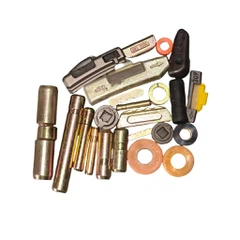
1.Choose the Right Type of Bucket Teeth
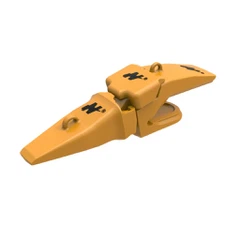
Select bucket teeth based on your actual working environment:
Flat-head bucket teeth: Ideal for excavating soil, weathered sand, and topsoil coal.
RC-type bucket teeth: Designed for breaking and digging hard rock.
TL-type bucket teeth: Suitable for coal excavation, as they help maintain a higher proportion of intact coal lumps.
Many operators favor universal RC-type teeth for general use. However, it is recommended to use flat-head teeth unless working in extreme rock conditions. Once RC-type teeth wear down at the tip, they become blunt and "fist-shaped", increasing digging resistance and fuel consumption. In contrast, flat-head teeth retain a sharper cutting edge as they wear, reducing resistance and saving fuel.
2.Replace Worn Bucket Teeth Promptly
Severely worn bucket tooth tips drastically increase digging force requirements, leading to higher fuel usage and lower productivity.
Replace bucket teeth as soon as they show significant wear to maintain performance.
3.Replace Worn Tooth Seats in Time
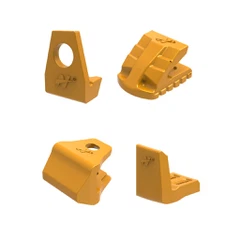
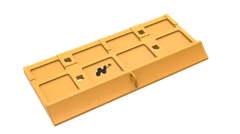
Tooth seat condition directly affects the service life of bucket teeth. Replace the tooth seat when it has worn by 10%–15%. A worn tooth seat creates excessive clearance with the bucket tooth, altering the fitting alignment and load distribution. This misalignment can cause uneven stress and lead to premature tooth breakage.
4.Daily Inspection and Tightening
Include a quick 2-minute bucket inspection in your daily excavator maintenance routine:
Check the bucket body for wear depth and structural cracks.
Reinforce areas with excessive wear; weld cracks immediately to prevent them from expanding and causing irreversible damage.
Test bucket teeth stability by gently checking for movement. Tighten any loose teeth right away to avoid breakage or loss during operation.
5.Rotate Bucket Teeth Position
Field experience shows that outer bucket teeth typically wear 30% faster than inner ones. For more even wear and extended service life, periodically swap the positions of inner and outer bucket teeth.
6.Adopt Proper Operating Techniques
Operator behavior plays a key role in extending bucket tooth life:
Avoid lifting the boom while fully curling the bucket. This creates upward pulling tension that can tear or break bucket teeth.
Do not slam the bucket against rocks or drop it forcefully onto hard surfaces. Such impact easily breaks teeth, cracks the bucket, and damages the boom and arm.
Maintain a proper digging angle: keep bucket teeth perpendicular to the working surface, or limit the outward angle to no more than 120 degrees. Excessive angling increases the risk of tooth breakage.
Avoid swinging the arm left and right under heavy load. Most bucket teeth are not engineered to withstand strong lateral force, which can fracture both teeth and tooth seats.