



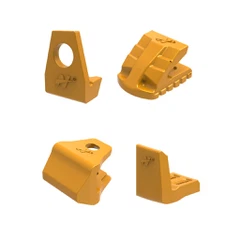
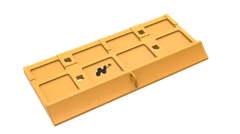



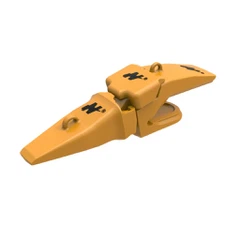


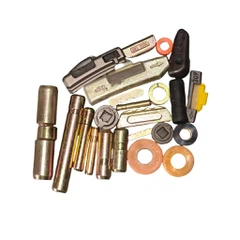
Bucket teeth are essential for efficient digging, but over time, they wear down and lose effectiveness. Knowing when to replace them can help avoid unnecessary downtime and ensure your machine operates at peak performance.
The Right Time to Replace Your Bucket Teeth
Generally, bucket teeth begin to lose their effectiveness after about 6 weeks of regular use. Watch for these signs:
Dull or worn teeth: If the teeth are significantly worn down or reduced to nubs, it's time to replace them.
Decreased digging power: If your machine struggles to penetrate the ground or requires more power to dig, your teeth are likely too dull.
Uneven wear: Teeth that wear unevenly can cause imbalanced digging, which accelerates wear on other parts.
Factors Affecting Lifespan
The lifespan of bucket teeth depends on:
Soil abrasiveness: Highly abrasive materials like rock or frozen ground will wear down the teeth faster, sometimes cutting their lifespan in half.
Usage: Frequent or heavy-duty use will naturally reduce the life of your bucket teeth.
Preventive Maintenance
Train operators to inspect bucket teeth before each shift. Catching wear early prevents operational inefficiencies. Never operate machinery with missing teeth; doing so can damage the shanks, leading to costly repairs and more downtime.
Conclusion
Replacing bucket teeth on time is crucial for maintaining your equipment's efficiency and longevity. Regular inspections and timely replacements help prevent costly repairs, improve machine performance, and keep operations running smoothly.