








When Should You Replace Your Bucket Teeth?
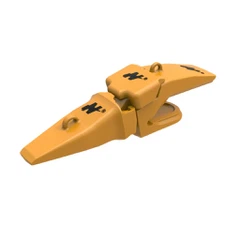
At FHND, we know that bucket teeth are the frontline soldiers of your machine. They take the brunt of every dig, cut, and push. Replacing them at the right time is not just about performance-it's about protecting your bucket, adapters, and the entire excavator.
So, when is the right moment to change them? Let's break it down.
🔧 Key Signs It's Time for Replacement
Blunt or rounded tips – When penetration becomes harder and digging efficiency drops.
30–50% length loss – If your bucket teeth wear down to half of their original size.
Cracks or breakage – Even small fractures can lead to sudden tooth failure.
Uneven wear – Some teeth wear faster due to digging habits or soil conditions.
Adapter exposure – A clear warning sign that replacement is overdue.
Harder operation & higher fuel consumption – A dull tooth forces your machine to work harder.
⏱ General Replacement Intervals
Clay, soft soil: 300–500 hours
Sand, gravel: 200–400 hours
Rock, quarry, mining: 80–200 hours
👉 Actual wear will vary based on material hardness, tooth type, and operator technique.
🛠 Maintenance Tips from FHND
Inspect teeth daily before the operation.
Rotate positions to balance wear.
Choose the right tooth design for the right application.
Replace as a set, not individually, to maintain balance.
Keep pins and locks tight and secure.
Avoid using teeth as a lever or side-cutting tool.
✅ Why It Matters
Replacing bucket teeth on time means:
Higher digging efficiency
Lower fuel consumption
Extended adapter and bucket life
Reduced downtime and maintenance costs
At FHND, we are committed to delivering high-quality, long-lasting bucket teeth and adapters that keep your machines running efficiently. By following these guidelines, you can maximize productivity and protect your investment.