



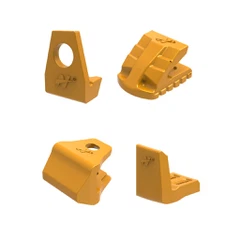
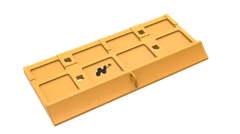

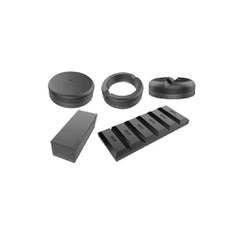


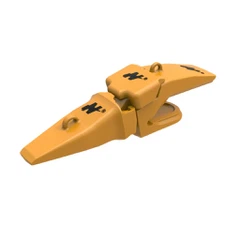


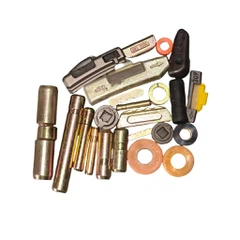
Bucket teeth are a critical component of heavy machinery used in industries like construction, mining, and excavation. Designed to handle tough digging conditions, they still have a limited lifespan, which depends on several factors. Understanding these factors helps operators and maintenance personnel get the most out of their bucket teeth and avoid unexpected downtime.
Factors Affecting the Lifespan of Bucket Teeth
The longevity of bucket teeth generally ranges from 200 to 800 hours of use, though this can vary based on:
Type of Material Excavated
The hardness and abrasiveness of the material directly influence how quickly bucket teeth wear. Excavating through abrasive substances like rock, concrete, or gravel will cause faster deterioration than digging through soil or sand.
Frequency and Intensity of Use
Machinery that is used continuously or for high-impact tasks will wear down bucket teeth more quickly. On the other hand, equipment used intermittently or for lighter duties may extend the lifespan of the teeth.
Maintenance Practices
Regular inspections, cleaning, lubrication, and timely replacements are crucial for extending the lifespan of bucket teeth. Neglecting maintenance leads to accelerated wear and potential failure, which can disrupt operations.
Quality of the Bucket Teeth
High-quality bucket teeth made from durable materials tend to last longer than lower-quality alternatives. While premium teeth may cost more upfront, they offer better value over time due to their extended lifespan and reduced need for frequent replacements.
Maximizing the Lifespan of Bucket Teeth
Proactive maintenance and replacement strategies are essential for keeping your machinery running smoothly. Operators should monitor bucket teeth regularly and follow the manufacturer's guidelines for replacement intervals. This helps maintain efficiency, reduces fuel consumption, and prevents potential damage to the machinery.
Conclusion
The lifespan of bucket teeth is influenced by multiple factors, including the materials being excavated, frequency of use, maintenance, and the quality of the teeth. By investing in high-quality bucket teeth and practicing regular maintenance, equipment operators can maximize the lifespan of their machinery and minimize operational costs.