








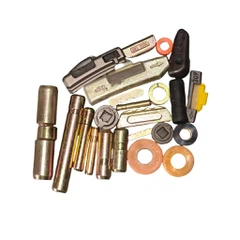
The History of Wear Plates
Wear plates date back to the 18th century during the Industrial Revolution. As machinery became more complex, industries began to protect vulnerable parts by installing replaceable wear plates instead of replacing entire machines. Over time, the technology evolved, and today, wear plates are a vital part of machinery across industries such as construction, mining, and manufacturing.
Introduction
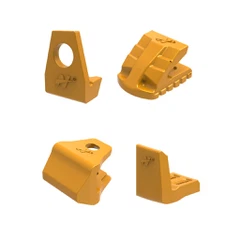
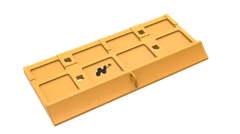
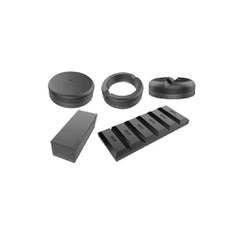
Wear plates, also known as abrasion-resistant liners, are designed to protect surfaces exposed to high levels of friction and impact. These replaceable parts are more cost-effective than replacing entire equipment or components.
Key Features:
Cost-Effective: Easy to install and significantly cheaper than full part replacements.
Durable: Made from a tough wear-resistant alloy coating and a shock-absorbing steel backing plate.
Long-Lasting: Reduces downtime and extends the life of your machinery.
Benefits:
Reduced Costs: Lower replacement and maintenance costs.
Minimized Downtime: Longer-lasting protection means fewer interruptions in production.
Increased Output: Enhanced machine efficiency leads to higher productivity.
Common Applications:
Mobile Equipment: Dump truck liners and other movable machinery.
Fixed Plant Equipment: Chutes, screens, and deflector plates.
High-Speed Conveyors: Chutes and fan blades.
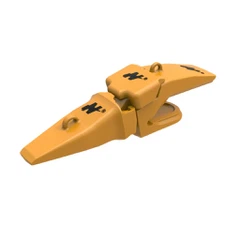
Mining & Construction: Bucket protection, skid plates, and more.
In conclusion, wear plates offer a cost-effective solution for protecting machinery, reducing maintenance costs, minimizing downtime, and significantly enhancing the durability and performance of equipment across various industries.